
Do you need a scan before seeing a physio?
One of the most common reasons people delay treatment is the belief that they need a scan before anyone can help them. For most muscle and joint problems the opposite is true: a thorough physical assessment reaches a working diagnosis without imaging, and waiting weeks for a scan usually just means weeks of staying sore. Here is an honest guide to when imaging helps, when it misleads, and how we decide.
By Andrew Ellis, AHPRA registered physiotherapist · August 2026
The short version
- Most muscle and joint pain does not need a scan first
- Scans of pain free adults routinely show bulges and wear
- Imaging earns its place when it would change the plan
- On an accepted workers compensation or CTP claim, no scan is needed to start
The short answer
No, most people do not need a scan before seeing a physiotherapist. Physiotherapists are university trained to assess muscles, joints and nerves directly: taking a careful history, testing movement and strength, and screening for the warning signs that genuinely do need medical imaging or a GP review. For the large majority of back pain, neck pain, and muscle and tendon problems, that assessment is enough to reach a working diagnosis and start treatment on day one.
Clinical guidelines in Australia and internationally say the same thing: for common musculoskeletal pain without warning signs, routine imaging is not recommended, because it rarely changes the treatment and it often muddies the water. If your assessment turns up something that does warrant a scan, we will tell you plainly and arrange it.
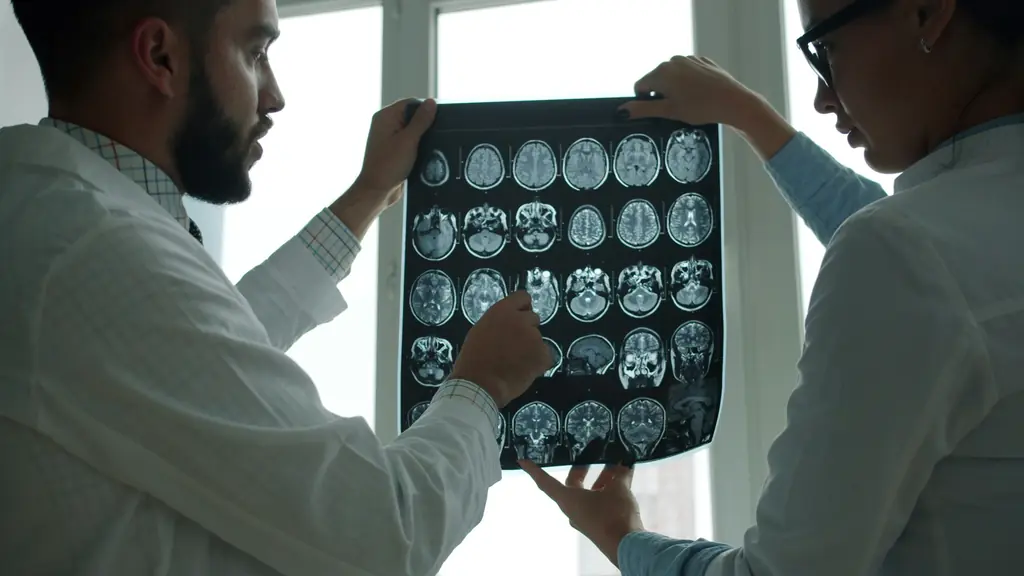
What scans find in people with no pain at all
Treating the picture instead of the person is one of the most common reasons recovery stalls.
Here is the part that surprises most people: imaging studies of adults with no pain whatsoever routinely find disc bulges, disc degeneration, tendon changes and joint wear. These findings become more common with every decade of life, in people who feel completely fine. They are often the anatomical equivalent of grey hair.
Where it goes wrong
That matters because when you are in pain and a scan finds one of these changes, it is very easy to assume the finding explains the pain. Sometimes it does. Often it does not, and the real driver is a muscle, a movement habit, a load spike or a sensitised nervous system that no scan can show. Treating the picture instead of the person is one of the most common reasons recovery stalls.
A scan finding can also do quiet harm on its own. Being told your spine is degenerating can make you move less, guard more and worry more, all of which feed pain. Part of our job is putting scan reports in honest context: what is relevant, what is normal for your age, and what actually needs attention.
When imaging genuinely is the right call
Imaging earns its place when the answer would change what we do. The clear cases: significant trauma where a fracture is possible, true weakness or numbness that is progressing, symptoms in both legs with bladder or bowel changes, unexplained weight loss or night pain that does not ease with position, a history that raises specific medical concerns, or a problem that has had a fair trial of good care and is not tracking the way it should.
How we screen
Screening for exactly these things is built into every first assessment at PACT. A small number of them, such as new bladder or bowel changes alongside symptoms in both legs, need same day emergency care rather than a booked scan, and we say so on the spot. For the rest, if any show up we do not push on with treatment and hope: we refer you to your GP or arrange the right imaging, and we say clearly why.
The same logic applies mid treatment. If your progress stops matching the working diagnosis, the plan gets reviewed, and imaging is one of the tools we reach for. A scan at the right moment, asked the right question, is genuinely valuable. A scan by default is not.
What the assessment screens for
- Significant trauma where a fracture is possible
- True weakness or numbness that is progressing
- Symptoms in both legs with bladder or bowel changes
- Unexplained weight loss, or night pain that does not ease with position
- A fair trial of good care and no progress
Some signs cannot wait
New bladder or bowel changes alongside symptoms in both legs need same day emergency care, not a booked scan.
What a physio assessment does instead
A first appointment at PACT runs long on purpose. The history usually points to the diagnosis before hands ever touch the problem: how the pain started, what makes it better and worse, how it behaves overnight, what your work and training actually involve. Then we test it: movement range, strength, nerve function, and the specific positions and loads that reproduce your pain.
What you leave with
By the end you get three things in plain English: what we think is going on, what we are going to do about it, and what would make us change course. That last one matters. A good plan names its own exit: the signs that mean we escalate to your GP, imaging or a surgical opinion instead of more of the same.
That is also why coming in without a scan does not put you behind. The assessment happens either way, and if imaging is needed we organise it from there, with a specific question for the radiologist rather than a fishing expedition.
- Careful history
- Physical testing
- Working diagnosis
- Plan and exit signs
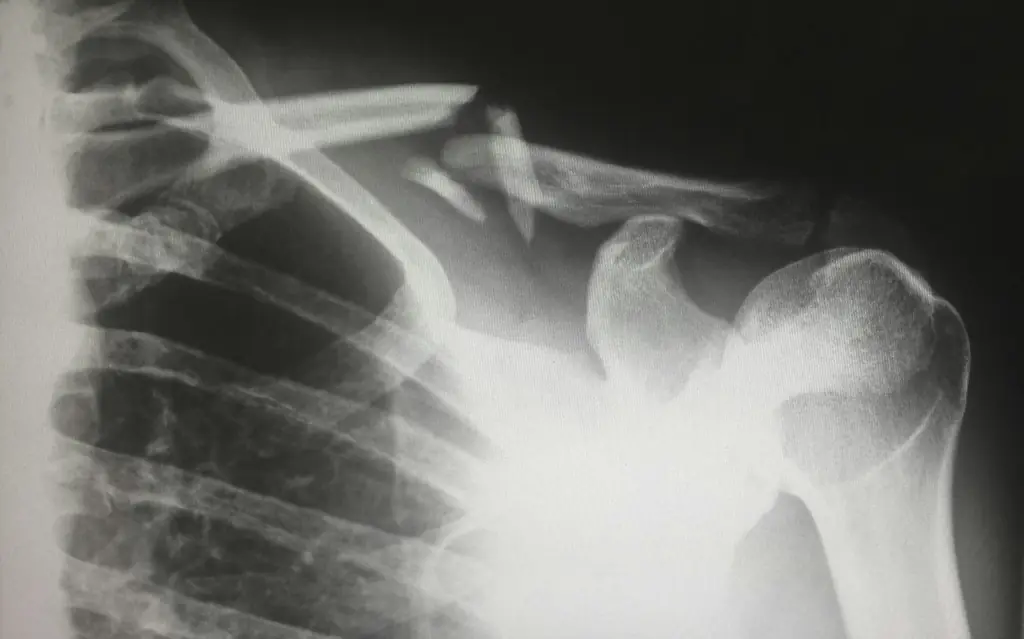
Hurt at work or on the road?
If your injury happened at work or in a motor vehicle accident, you do not need a scan before starting physiotherapy. On an accepted NSW workers compensation or CTP claim, approved treatment is billed directly to the insurer with nothing out of your pocket, no imaging required first, and early treatment is exactly what the schemes are designed to support.
In a claim, the assessment does double duty: it guides your treatment and it feeds the capacity conversation with your doctor, your employer and the insurer. Where imaging is genuinely indicated, we coordinate it with your GP so the request is clinically justified and moves quickly through the claim.
Good to know before you book
Can a physiotherapist refer me for a scan?
My scan shows a disc bulge. Is that why I hurt?
Is it safe to have physio without a scan first?
How long should I try physio before thinking about a scan?
Does the insurer need a scan before approving physio on my claim?
This guide is general information, not a diagnosis or a substitute for an assessment. If you are concerned about your symptoms, book an appointment or see your GP.
See what people say on Google
We let our patients speak for themselves, on Google, where you can read it independently.
Read our Google reviewsWant an answer about your pain?
Same day appointments often available at our Miranda clinic, or by telehealth across Australia.