Occupational health physiotherapy services
Functional capacity assessments, ergonomic and workstation assessments, suitable duties support and early intervention physiotherapy for injured workers. Delivered from Miranda for workplaces across Sydney, and Australia wide by telehealth, by a physiotherapist who spent a decade inside occupational rehabilitation.
A physiotherapist who has worked your side of the table
Occupational health physiotherapy sits at the junction of clinical care and the workplace. It is not just treating an injured worker. It is assessing what they can safely do, matching that capacity to real duties, and giving employers, insurers and case managers the clear reporting they need to make decisions.
Before founding PACT, Andrew Ellis spent a decade inside occupational rehabilitation. He worked as a Senior Rehabilitation Consultant for national providers, was promoted into a national role rolling out a work related activity program across the country, and later served as a Senior WHS and Injury Management Advisor inside large Australian organisations. In those roles he managed caseloads of injured workers, led an early intervention program, wrote return to work plans, delivered manual handling training and ergonomic assessments, and advised managers, HR teams and insurers on injury management.
That is the lens every PACT occupational health service is built on. Andrew is an AHPRA registered physiotherapist and a SIRA approved physiotherapist, and he has sat on every side of the workers compensation table: treating practitioner, rehabilitation consultant and employer advisor.
Functional capacity assessments (FCAs)
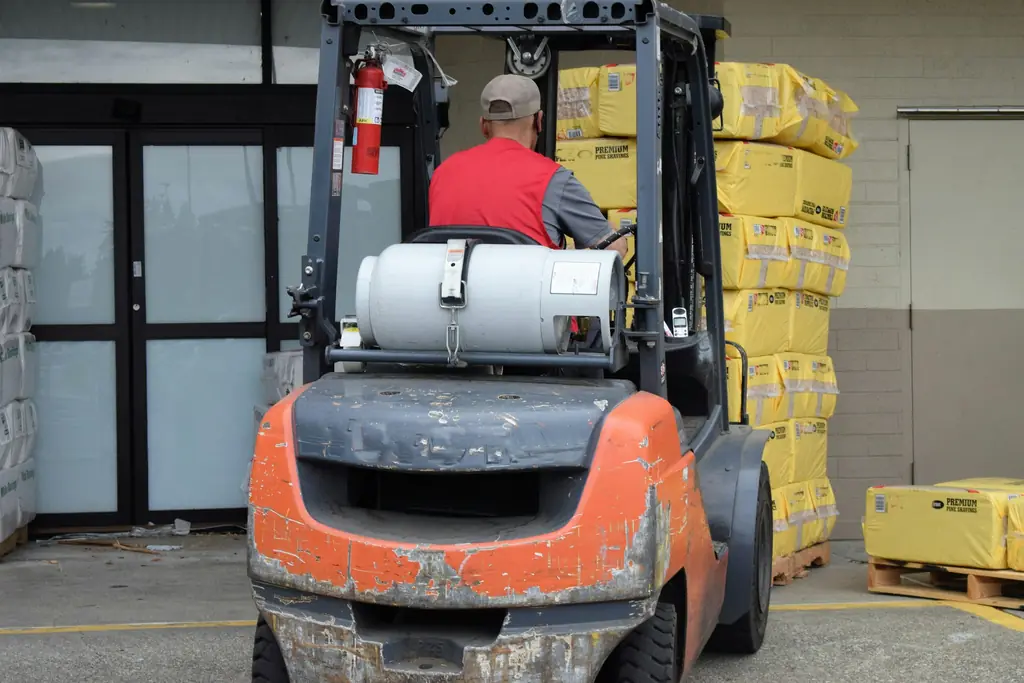
A functional capacity assessment is a structured, objective assessment of what a worker can safely do. We measure functional tolerances such as lifting, carrying, pushing, pulling, standing, sitting, bending and reaching, and compare them directly against the physical demands of the worker's role.
The result is a clear written report: current safe capacity, how it compares to the role, and practical recommendations for suitable duties or a staged upgrade. Employers, insurers and case managers use FCAs to inform return to work planning, suitable duties decisions and capacity questions on a claim.
FCAs are conducted at the Miranda clinic, serving employers, insurers and case managers across Sydney. Send through the role details and the referral question and we will scope the assessment to what you actually need answered.
- Objective measures of lifting, carrying, pushing, pulling and postural tolerances
- Capacity compared directly against the demands of the role
- A clear written report with practical recommendations
- Scoped to the referral question, not a one size template
Ergonomic and workstation assessments
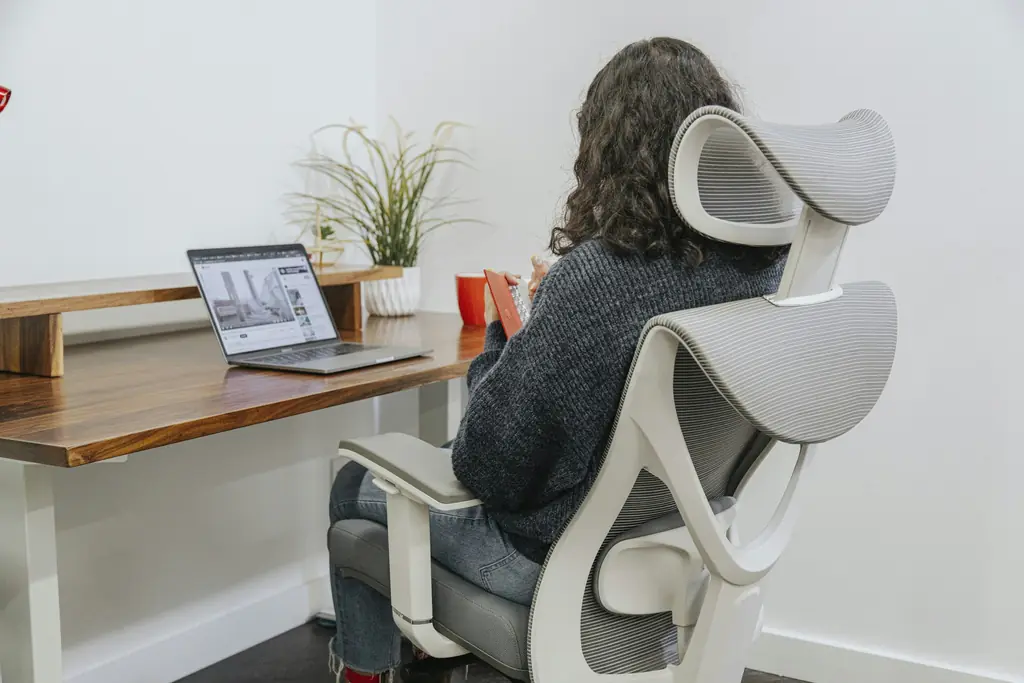
Poor workstation setup and poorly matched tasks can contribute to workplace injuries, and they can slow recovery for workers who are already injured. An ergonomic assessment looks at the worker, the workstation and the task together, then addresses what is actually driving the problem.
We assess workstations and work areas, observe how the job is really done, and provide practical, prioritised recommendations in a written report. That might mean adjusting a workstation, changing how a task is performed, or flagging equipment worth changing. Andrew delivered ergonomic assessments and manual handling training during his decade in occupational rehabilitation and WHS advisory roles, so the advice is grounded in how workplaces actually operate.
Ergonomic and workstation assessments are available at workplaces across Sydney, arranged through the clinic. They work as prevention for a worker reporting early discomfort, and as part of a return to work plan for a worker coming back from injury.
Suitable duties and capacity reporting for the NSW schemes
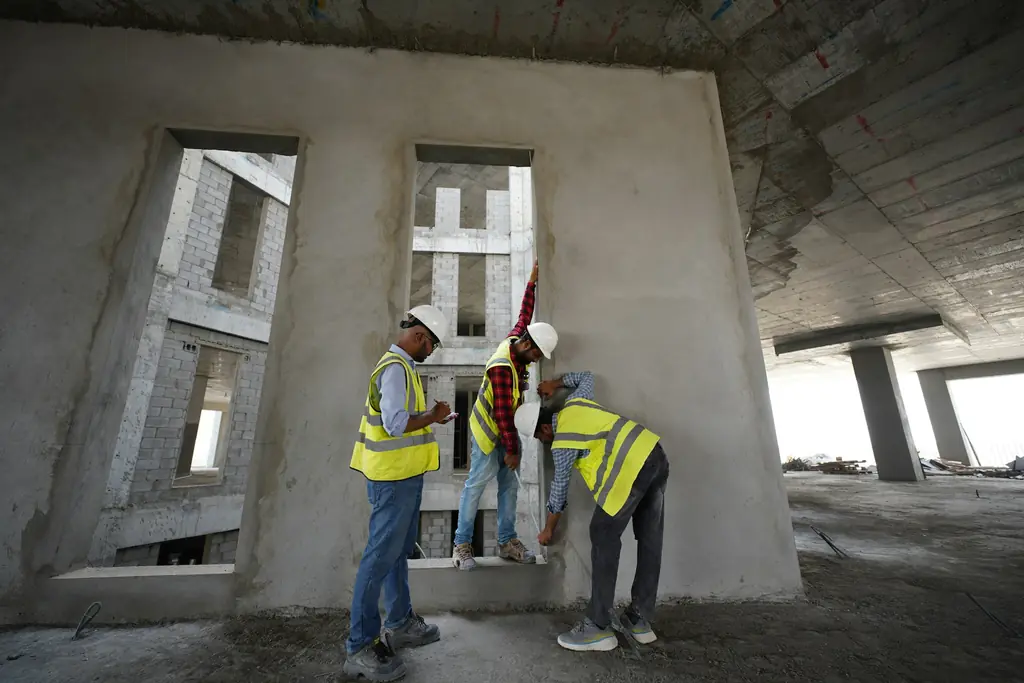
A safe return to work is a staged process, not a switch. We assess current capacity, then work with the treating doctor, the case manager and supervisors to build suitable duties that fit the worker and the workplace, stepping capacity up over time as the evidence supports it.
Reporting is where many claims stall, so ours is built for the people who read it. You get a clear clinical picture and a same day report after assessment, written by someone who knows exactly what a case manager needs to approve treatment and keep a claim moving.
Where a certificate needs to reflect new capacity, we feed the clinical picture to the treating doctor, who completes the Certificate of Capacity. We work alongside that certificate so treatment supports the plan it sets out.
Early intervention physiotherapy for injured workers
The early days of an injury shape the whole claim. The longer a worker is off, the harder and more costly the recovery, so the practical lever is fast, well communicated treatment that keeps someone safely at or returning to work.
We provide early intervention physiotherapy at the Miranda clinic and by telehealth Australia wide through PACT Virtual Care, so a worker at a regional site can be assessed and treated without travel. Under workers compensation, telehealth is conditional and usually needs insurer pre approval, so we assess clinical appropriateness case by case and arrange any required approval before we begin.
On an accepted NSW workers compensation claim, reasonably necessary treatment is billed directly to the insurer, so the worker has nothing to pay at the appointment and no gap fee. Where a worker's injury has not been treated by a physiotherapist, chiropractor, osteopath or accredited exercise physiologist before, and treatment begins within three months of the injury, SIRA allows up to eight physiotherapy consultations before any further approval is needed. The number is different in other situations, so we confirm the exact arrangement with the insurer or case manager for each individual claim.
Talk to us about your workplace
If you are an employer, insurer or case manager with a worker who needs an assessment or early treatment, send through the details and the question you need answered, and we will scope it and come back to you promptly. Workers are welcome to contact us directly too.
Not sure exactly what you need yet? Get in touch and we will give you practical, straight advice on the right assessment or pathway for the situation.

No out of pocket cost
On an accepted workers compensation or CTP claim, your treatment is billed directly to the insurer. There is no gap and nothing for you to pay at your appointment, and we handle the invoicing for you. If you are a private patient, see our fees.
Good to know
What is occupational health physiotherapy?
What is a functional capacity assessment and when do you need one?
Do you carry out ergonomic assessments at our workplace?
Who pays for assessments and treatment?
How many physio sessions are covered before further approval on a workers comp claim?
Can injured workers be treated by telehealth?
Who conducts the assessments and writes the reports?
See what people say on Google
We let our patients speak for themselves, on Google, where you can read it independently.
Read our Google reviewsReady to get moving again?
Same day appointments often available at our Miranda clinic, or by telehealth across Australia.