What happens in a telehealth physio session?
Plenty of people assume physio over video must be a watered down version of the real thing. Done properly, it is not: it is a full assessment, a diagnosis and a progressive treatment plan, delivered wherever you are. Here is exactly what happens in a PACT Virtual Care session, step by step, including the parts where telehealth is genuinely strong and the parts where we will honestly tell you to be seen in person.
By Andrew Ellis, AHPRA registered physiotherapist · August 2026
The short version
- A real consultation by secure video, not a watered down version
- All you need is a camera, floor space and clothing that moves
- Some findings need hands or in person review, and we say so
- On an accepted workers compensation or CTP claim, approved treatment is billed directly to the insurer
The short answer
A telehealth physio session is a real consultation by secure video: a detailed history, a guided physical assessment, a plain English diagnosis, and treatment centred on education, load management and a progressive exercise program you are coached through live. Research across common muscle and joint problems has found telehealth delivered physiotherapy can achieve outcomes comparable to in person care for many conditions, particularly where exercise and education are the core of treatment, which for most musculoskeletal problems they are.
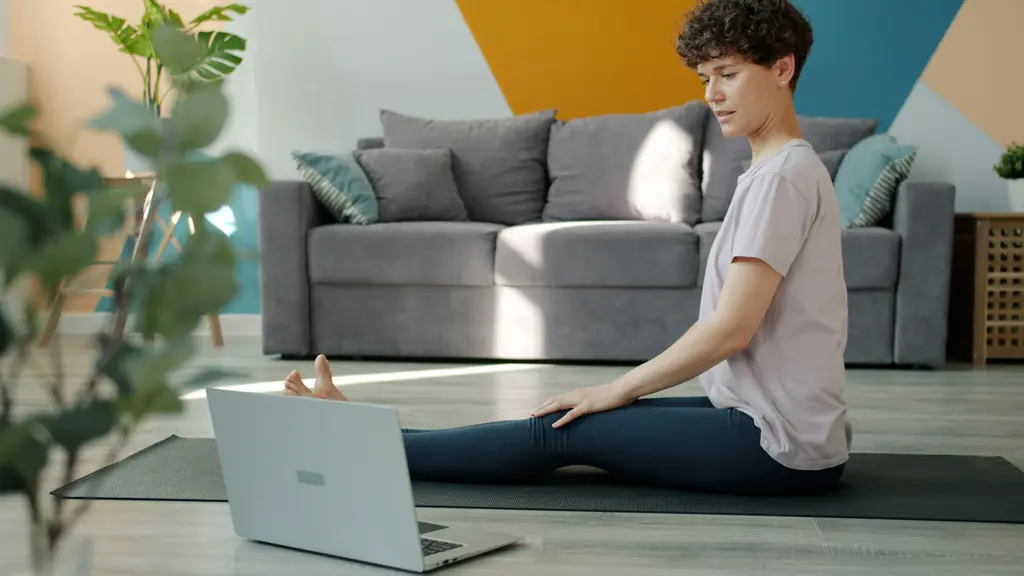
What you need is simple: a phone, tablet or laptop with a camera, a few square metres of floor, and clothing that lets us see the area moving. No special equipment, no app to buy, no tech skills beyond clicking a link.
- At bookingYour video link plus short preparation notes
- In the sessionHistory, how it behaves, screening questions
- ThenGuided movement, joint range, strength testing
- Before you finishPlain English diagnosis and a live coached program

Before your appointment
When you book, you get a confirmation with your video link and a couple of minutes of preparation notes: where to set the camera, what to wear for the body part involved, and anything worth having nearby, like the chair you sit in all day if we are dealing with a desk related problem, or your running shoes if we are dealing with a running one.
It helps to pick a spot with room to stand, sit and lie down, with the camera far enough back to see your whole body. A kitchen or lounge room usually beats a study. If the link plays up, we switch to a phone call while we sort it, and the session goes ahead either way.
Have this ready
- A phone, tablet or laptop with a camera
- A few square metres of clear floor
- The camera back far enough to see your whole body
- Clothing that lets the area move and be seen
- Anything we flag, like your chair or running shoes
The assessment, step by step
The history is the biggest part of any good assessment, in person or not: how the problem started, how it behaves through a day, what it stops you doing, your work, your training, your sleep, and the screening questions that look for signs of anything more serious. None of that needs hands.
The physical side
Then the physical side, guided by video: watching how you move overall, taking specific joints through range, and testing strength using your own body weight, positions and household objects as resistance. You become the hands, with precise instructions on where to press, what to feel for and what reproduces your pain. It is remarkable how much a trained eye extracts from watching you squat, reach, balance on one leg or walk across the room.
And the honest limit: some findings genuinely need hands or equipment, and some presentations need in person review. When that is the case we say so in the session and direct you to the right door, whether that is our Miranda clinic, your GP, or a local provider we help you brief.
Video assessment, honestly
Done by video
History, screening questions and watching you move. Joint range and strength tested with body weight and household objects.
Needs to be in person
We direct you to the right door: our Miranda clinic, your GP, or a local provider we brief.
Treatment that actually works over video
Modern physiotherapy for most muscle and joint problems is built on three things: understanding your problem properly, adjusting load and habits, and progressive exercise. All three translate well to video. You are coached through each exercise live, your technique gets corrected in real time, and your program is progressed session to session based on how you actually respond.
Your real environment
Telehealth also has a home ground advantage: we see your real environment. Your actual desk setup, your actual stairs, the actual floor you will do your program on. Advice stops being generic and starts being about your exact situation.
Between sessions you get your program in writing with clear dosage, plus the traffic light rules for how much discomfort is acceptable and what should make you stop and message us.
Injured workers and drivers, anywhere in NSW
On an accepted claim
On an accepted workers compensation or CTP claim, approved telehealth physiotherapy is billed directly to the insurer with nothing out of your pocket. We handle the insurer approvals, including approval for care delivered fully by telehealth.
PACT Virtual Care exists in large part for people the system otherwise leaves waiting: injured workers and motor accident clients in regional and remote NSW, shift workers, carers, and anyone a long way from a clinic they trust. On an accepted workers compensation or CTP claim, approved telehealth physiotherapy is billed directly to the insurer with nothing out of your pocket, and we handle the treatment approvals with the insurer, including approval for care delivered fully by telehealth.
For work injuries, the telehealth format changes nothing about the scheme support we provide: capacity assessment and certificate of capacity input, functional progress reporting, communication with your case manager and employer, and planning your return to work. Distance stops being a reason a claim drifts.
Good to know before you book
Which problems suit telehealth physio best?
What if I need hands on treatment?
How should I set up the room for a session?
Who pays for telehealth physio?
Can my case manager, employer or a family member join the session?
This guide is general information, not a diagnosis or a substitute for an assessment. If you are concerned about your symptoms, book an appointment or see your GP.
See what people say on Google
We let our patients speak for themselves, on Google, where you can read it independently.
Read our Google reviewsWant an answer about your pain?
Same day appointments often available at our Miranda clinic, or by telehealth across Australia.