
Vertigo and BPPV
Short bursts of spinning dizziness set off by head position changes, often very treatable.
By Andrew Ellis, AHPRA registered physiotherapist · Reviewed July 2026
What it is
Benign paroxysmal positional vertigo, or BPPV, is the most common cause of vertigo. Tiny crystals inside the inner ear move out of place, and certain head positions, like rolling over in bed, looking up or bending forward, set off brief but intense spinning.
Not all dizziness is BPPV, so the first step is a careful assessment. We screen your symptoms and history, test the positions that trigger the spinning, and check whether the neck is contributing. If the picture does not fit BPPV, we refer you to your GP for further investigation rather than guessing.
Signs and symptoms
Everyone is different, but these are common with vertigo and bppv. You may have some and not others.
How physiotherapy helps
When assessment points to BPPV, treatment uses specific repositioning manoeuvres that guide the crystals back where they belong, and many people find the spinning settles within a small number of sessions. We add balance and gaze retraining where needed, and treat the neck when it is part of the picture, so you can move, drive and sleep without bracing for the next episode.
- Positional testing and screening
- Canalith repositioning manoeuvres
- Balance and gaze retraining
- Neck assessment and treatment where it contributes
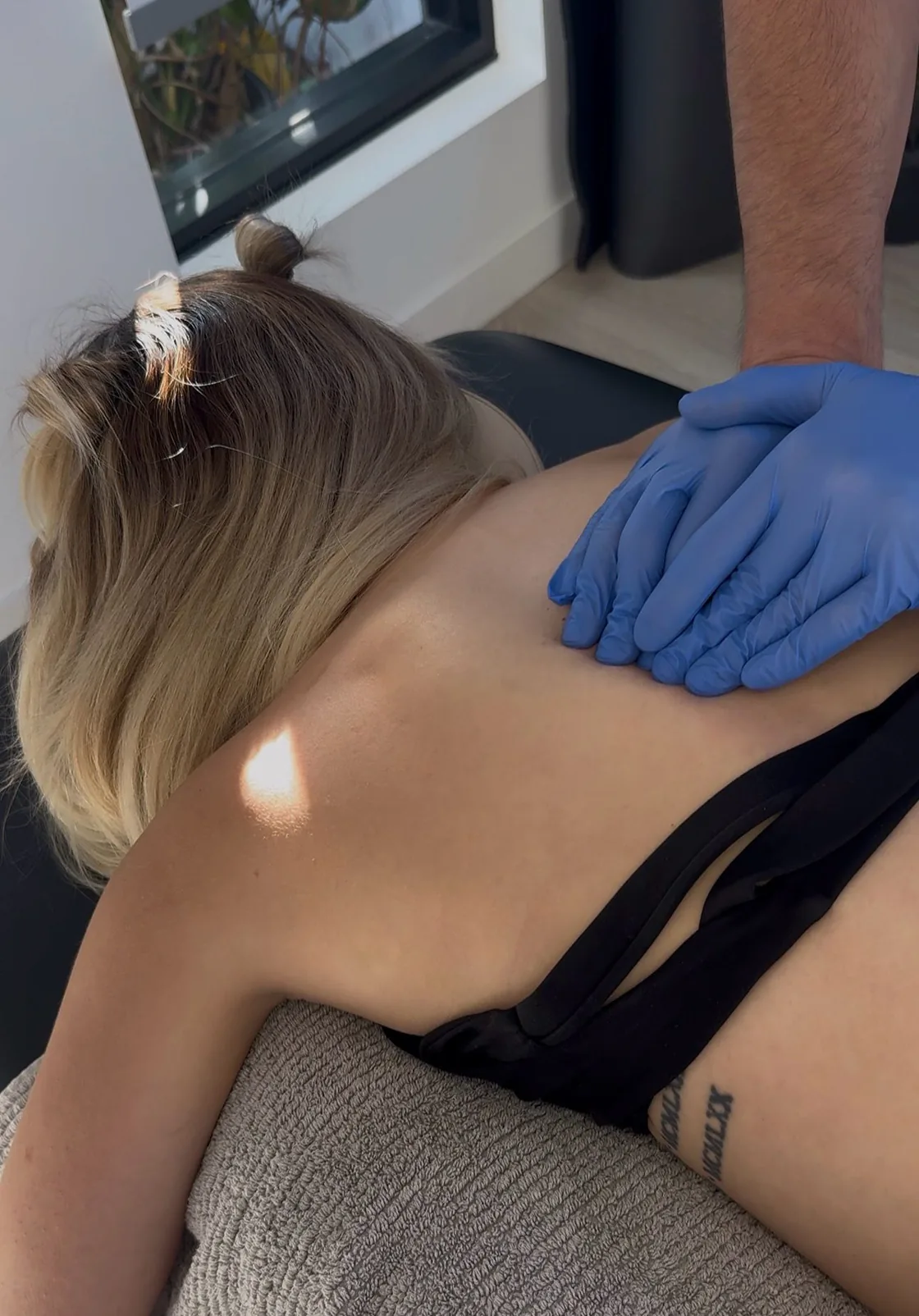
How we treat it
The right mix depends on your assessment. These are the services we most often draw on for this.

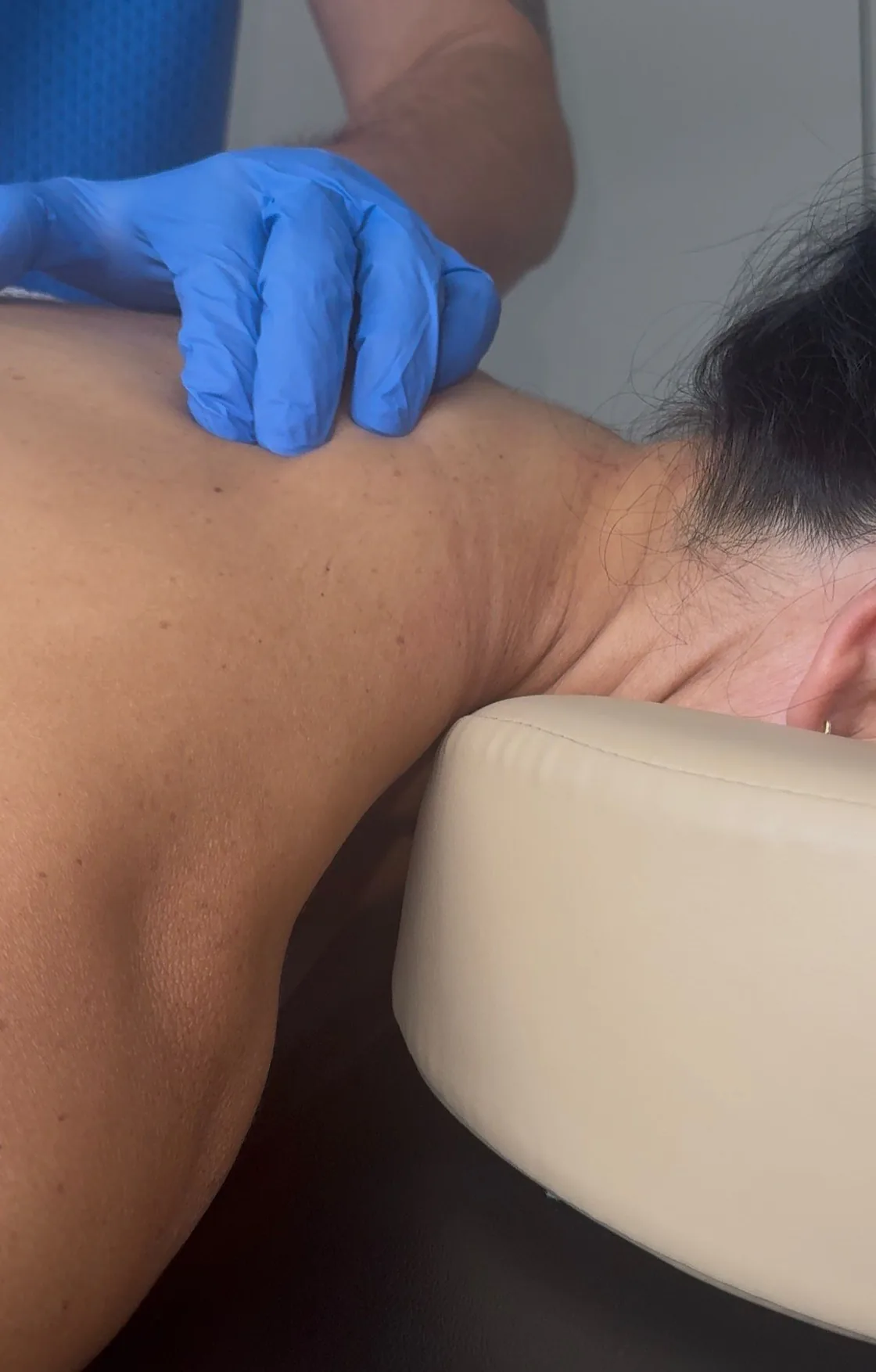
What you pay, with or without cover
Every appointment is a full, unhurried session with the time to work through complex, persistent problems. The fee is $165 for an initial visit and $142 for a follow up, and if you have Medicare, private health extras or an accepted claim, here is what you pay.
Paying privately
No referral or paperwork needed. Every visit is a full, unhurried session with the time it needs.
With a Medicare plan
A GP Chronic Disease Management referral rebates $61.80 on every visit, up to 5 a year.
With private health extras
Claim on the spot through HICAPS. The gap depends on your fund and level of cover. See all health funds
Workers comp & CTP
Accepted workers compensation and CTP claims are billed straight to your insurer, and we handle the paperwork.
Every bar is drawn to the same scale, from $0 to the standard fee. Private health gaps vary with your fund and your level of extras cover.
Other problems we help with
Pain rarely sits in one neat box. These are commonly linked, and we treat them all.
Good to know before you book
Can physiotherapy really treat vertigo?
How much will it cost?
Do I need a referral?
Can it be managed by telehealth?
Sources and further reading
Written and reviewed by Andrew Ellis, AHPRA registered physiotherapist. Last reviewed July 2026.
This page is general information about vertigo and bppv, not a diagnosis or a substitute for an assessment. If you are concerned about your symptoms, book an appointment or see your GP.
See what people say on Google
We let our patients speak for themselves, on Google, where you can read it independently.
Read our Google reviewsGet on top of vertigo and bppv
Same day appointments often available at our Miranda clinic, or by telehealth across Australia.