
Shoulder instability and dislocation
A shoulder that feels loose, slips or has dislocated, needing rebuilt control.
By Andrew Ellis, AHPRA registered physiotherapist · Reviewed July 2026
What it is
Shoulder instability is when the joint moves too far or slips out of place, either from an injury such as a dislocation or from naturally loose joints. After a dislocation the shoulder needs careful rehabilitation to rebuild stability.
Signs and symptoms
Everyone is different, but these are common with shoulder instability and dislocation. You may have some and not others.
How physiotherapy helps
We rebuild the strength and control that keep the shoulder centred. After assessing the type of instability, we progress a program that targets the rotator cuff and shoulder blade muscles, with a graded return to your sport or work. We coordinate with your surgeon if you have had one.
- Instability assessment
- Rotator cuff and shoulder blade strengthening
- Control and balance work
- Graded return to sport or work
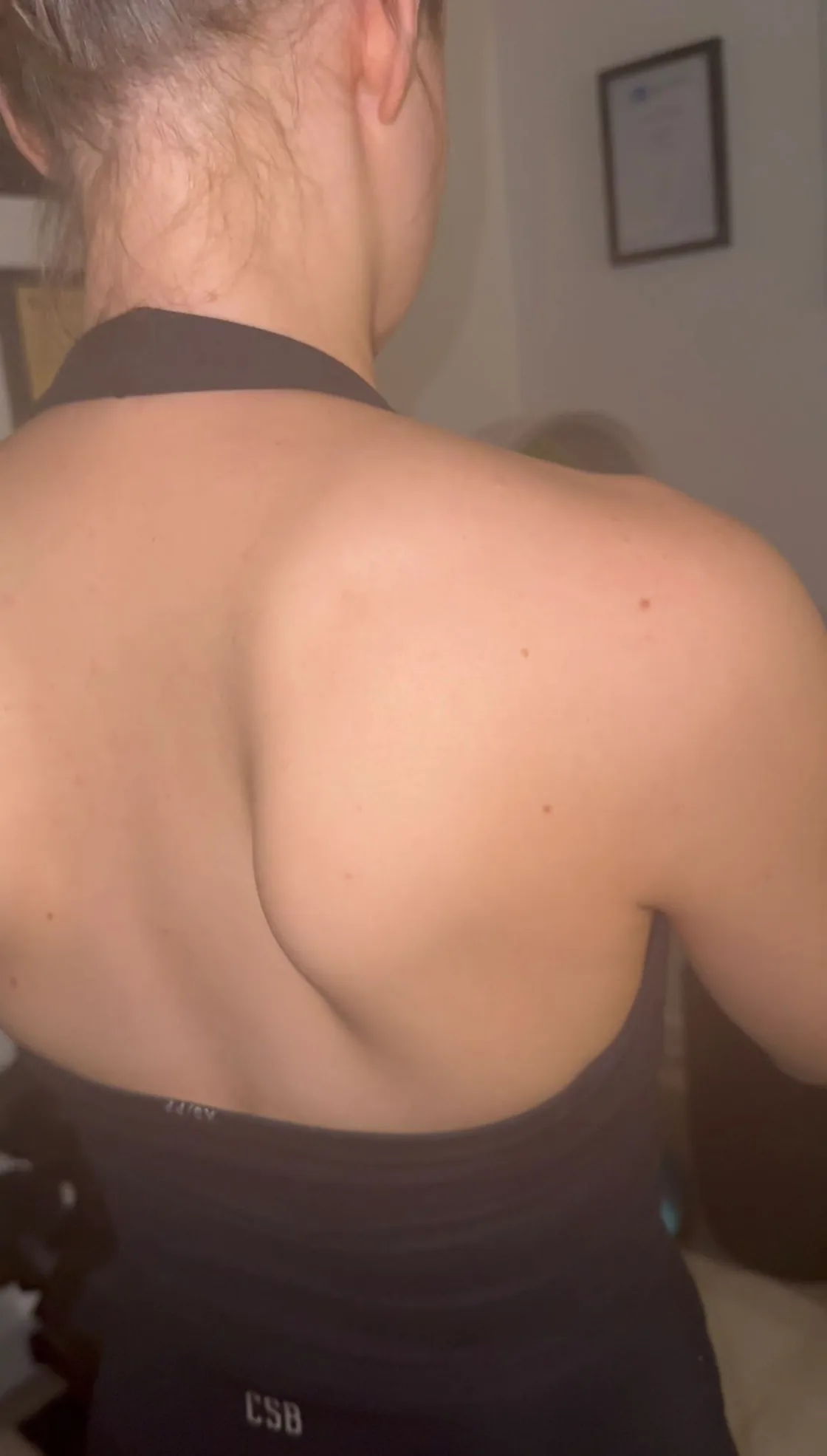
How we treat it
The right mix depends on your assessment. These are the services we most often draw on for this.

Exercise and rehabilitation
Tailored programs to rebuild mobility, strength and confidence in the movements that matter to you.
Learn more →
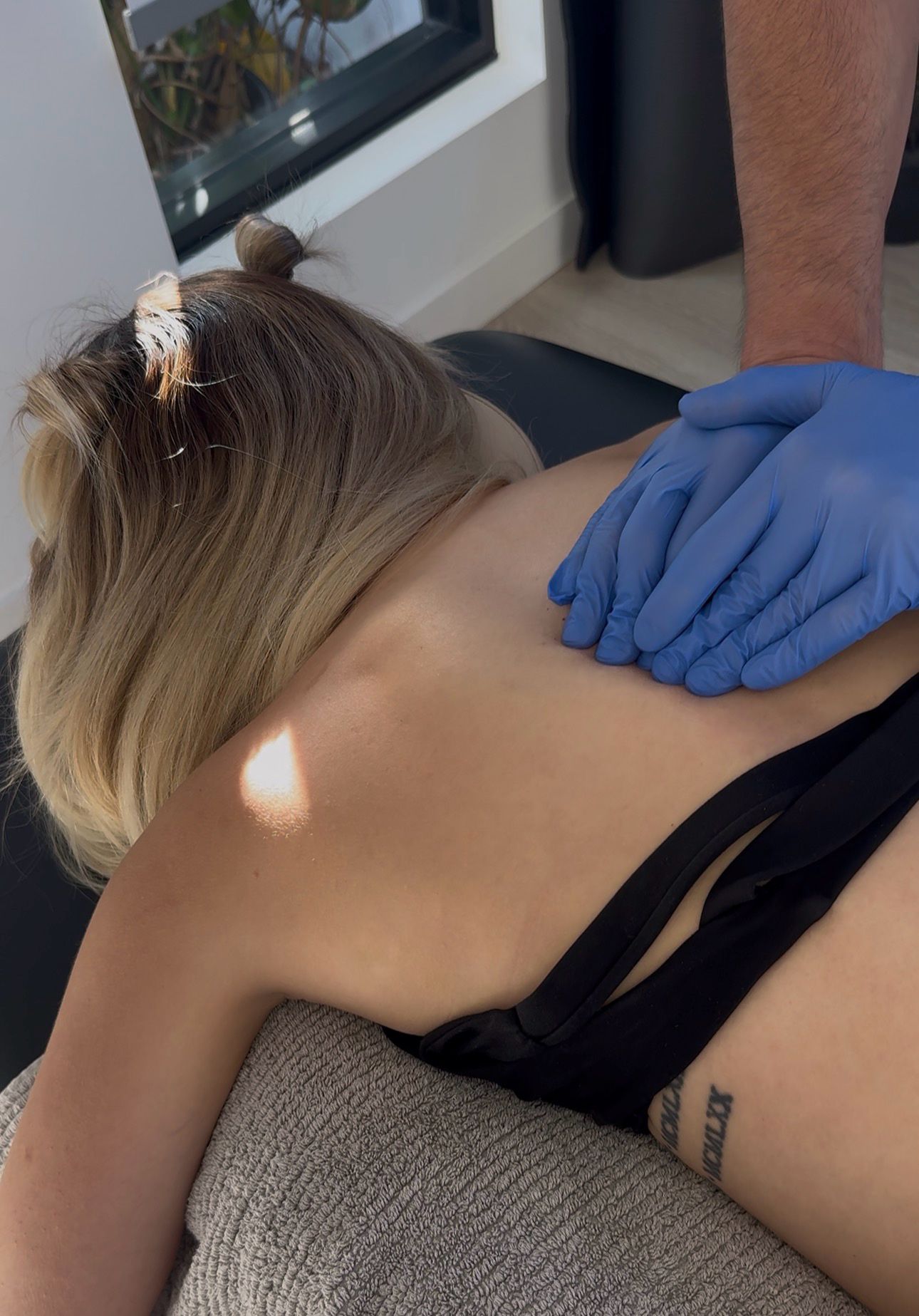
Sports injury physiotherapy
Physiotherapy to treat your sports injury and get you back to training and competing, with the strength and control to stay there.
Learn more →
Soft tissue release
Skilled hands on work through muscles, tendons and ligaments to ease tension and restore flexibility.
Learn more →
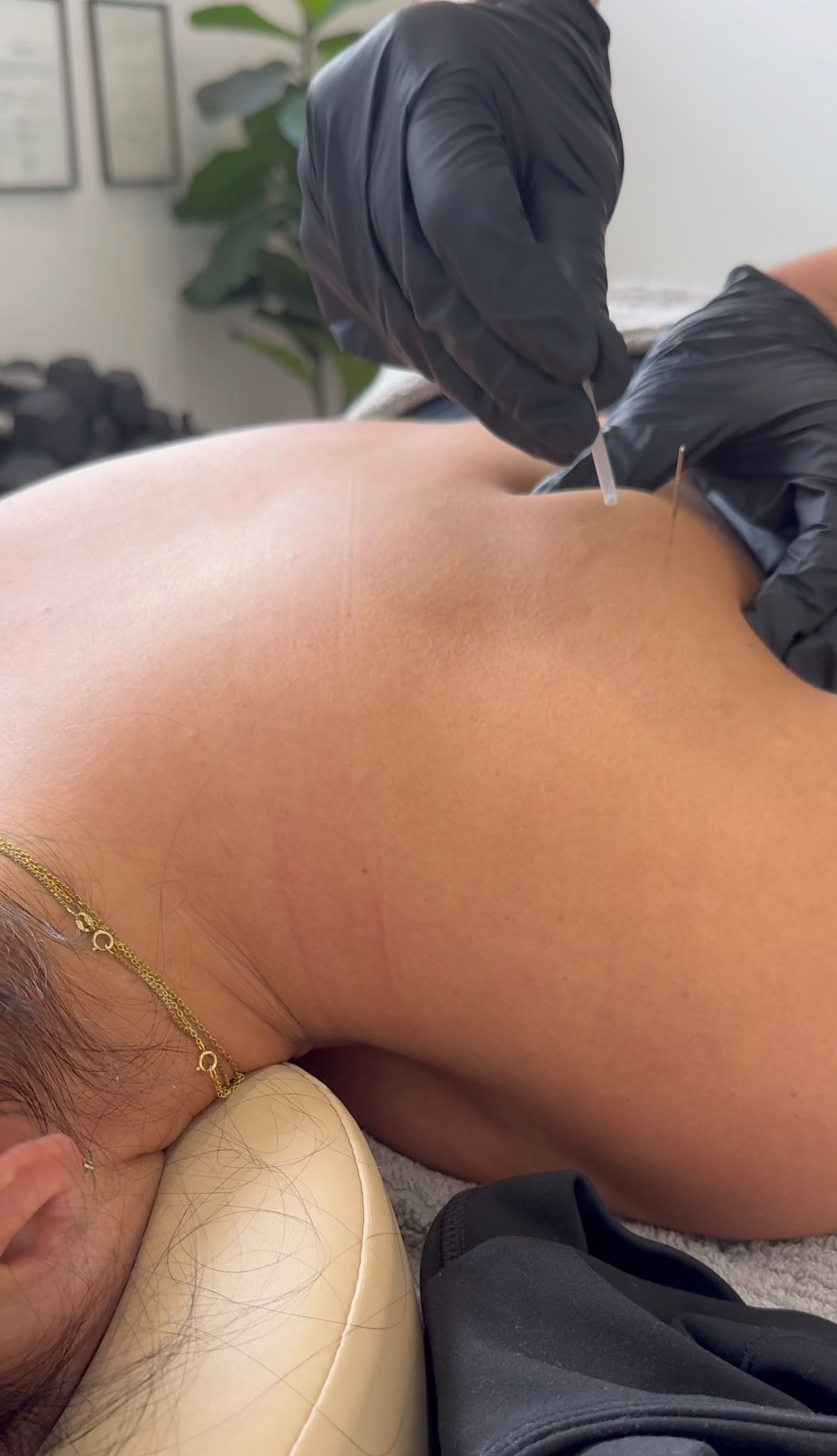
Trigger point dry needling
Fine needles into trigger points to release muscle tension and ease referred pain. A core focus at PACT.
Learn more →
What you pay, with or without cover
Every appointment is a full, unhurried session with the time to work through complex, persistent problems. The fee is $165 for an initial visit and $142 for a follow up, and if you have Medicare, private health extras or an accepted claim, here is what you pay.
Paying privately
No referral or paperwork needed. Every visit is a full, unhurried session with the time it needs.
With a Medicare plan
A GP Chronic Disease Management referral rebates $63.40 on every visit, up to 5 a year (Medicare item 10960, from 1 July 2026).
With private health extras
Claim on the spot through HICAPS. The gap depends on your fund and level of cover. See all health funds
Workers comp & CTP
Accepted workers compensation and CTP claims are billed straight to your insurer, and we handle the paperwork.
Every bar is drawn to the same scale, from $0 to the standard fee. Private health gaps vary with your fund and your level of extras cover.
Other problems we help with
Pain rarely sits in one neat box. These are commonly linked, and we treat them all.
Good to know before you book
Can I avoid another dislocation?
How much will it cost?
Do I need a referral?
Can it be managed by telehealth?
Sources and further reading
Written and reviewed by Andrew Ellis, AHPRA registered physiotherapist. Last reviewed July 2026.
This page is general information about shoulder instability and dislocation, not a diagnosis or a substitute for an assessment. If you are concerned about your symptoms, book an appointment or see your GP.
See what people say on Google
We let our patients speak for themselves, on Google, where you can read it independently.
Read our Google reviewsGet on top of shoulder instability and dislocation
Same day appointments often available at our Miranda clinic, or by telehealth across Australia.